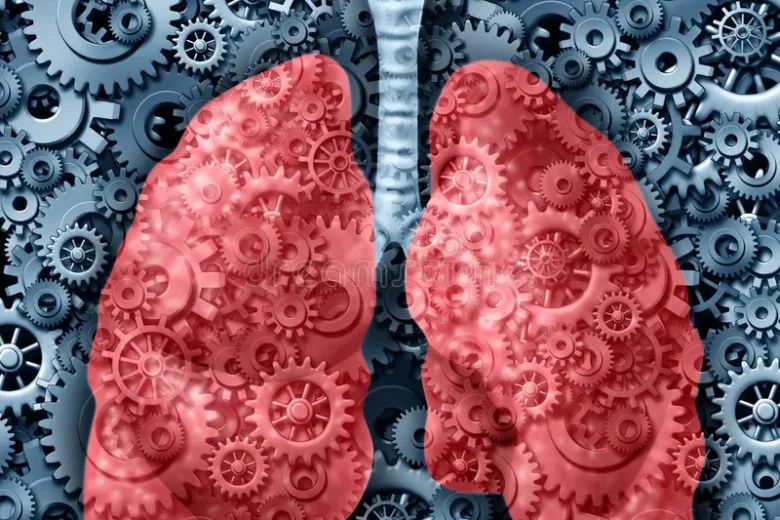
Why Efficient Breathing Plays a Key Role in Daily Energy Levels
Breathing is automatic, yet it is one of the most important processes supporting everyday function. Every inhale delivers oxygen to the body, and every exhale removes carbon dioxide. This continuous exchange helps maintain internal balance and supports both physical and mental performance.
Understanding how breathing works can provide insight into why certain patterns may influence energy levels throughout the day.
How Oxygen Supports the Body
Oxygen is essential for cellular activity. Once inhaled, it travels through the lungs into the bloodstream, where it binds to hemoglobin in red blood cells. From there, it is transported to tissues and organs.
Cells use oxygen to help convert nutrients into usable energy. When breathing is steady and efficient, this process operates smoothly. While the body regulates oxygen levels automatically, breathing depth and rhythm can influence how comfortable and energized a person feels.
The Mechanics of Breathing
Breathing involves coordinated movement of the diaphragm, rib cage, and surrounding muscles. When the diaphragm contracts, it expands the lungs, allowing air to enter. When it relaxes, air moves out naturally.
Shallow breathing patterns may involve more upper chest movement, while deeper breathing engages the diaphragm more fully. Becoming aware of breathing mechanics can help individuals understand how posture and stress may influence respiratory patterns.
Energy and Circulation
Breathing also interacts with circulation. As oxygen moves through the bloodstream, it supports tissues throughout the body, including the brain.
Maintaining steady breathing patterns may contribute to feelings of alertness and stability during daily activities. While breathing alone does not determine energy levels, it is an important foundational process that works alongside nutrition, sleep, and movement.
A Balanced Perspective
Efficient breathing is not about forcing deep inhales or overthinking every breath. Instead, it involves maintaining relaxed, natural rhythms that support comfort and focus. By understanding how oxygen flow contributes to normal function, individuals can develop greater awareness of this essential system.